LISTEN to author’s interview with Kevin Simpson of The Colorado Sun: https://coloradosun.com/2026/04/12/sunlit-jacqueline-st-joan-your-verdict/

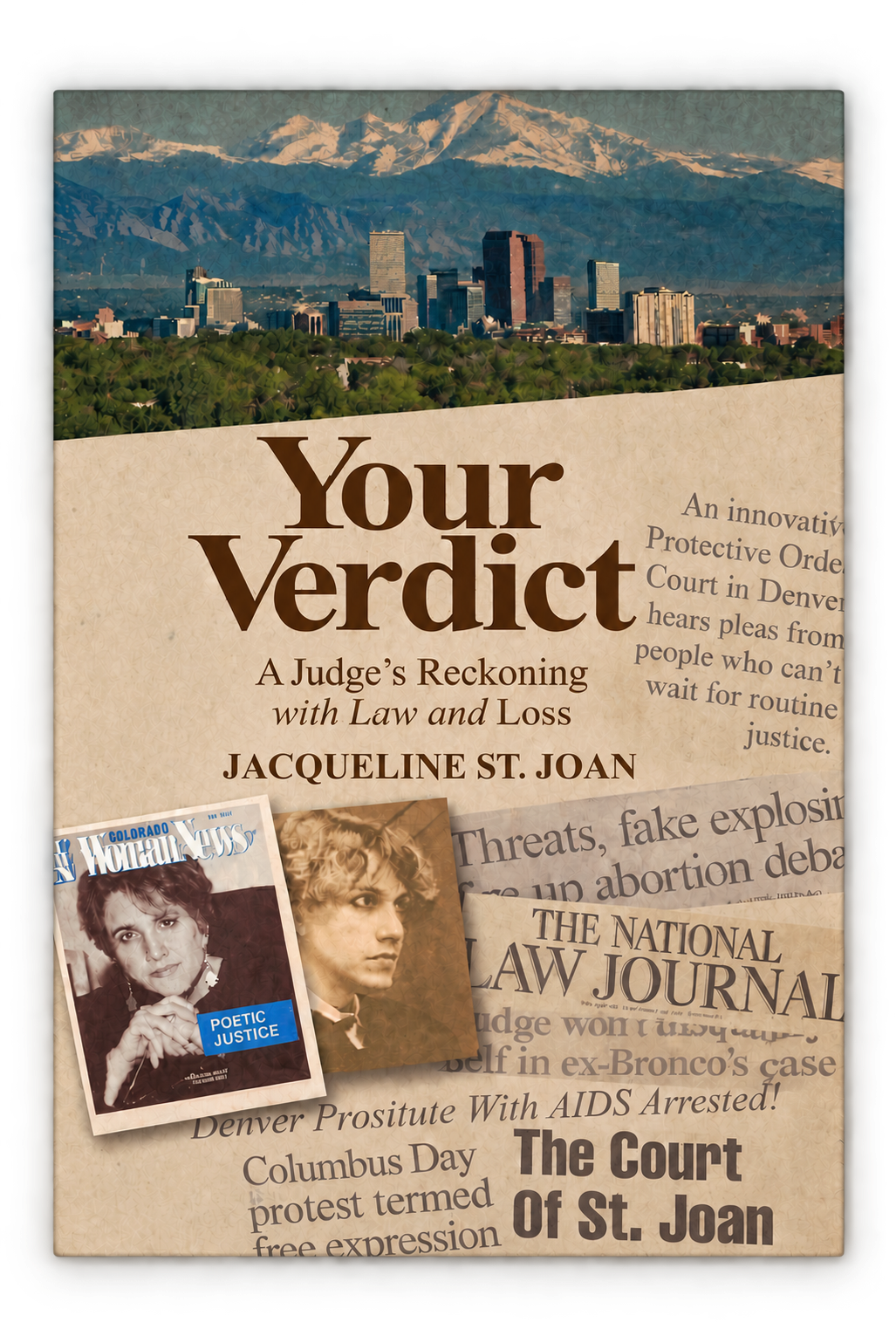
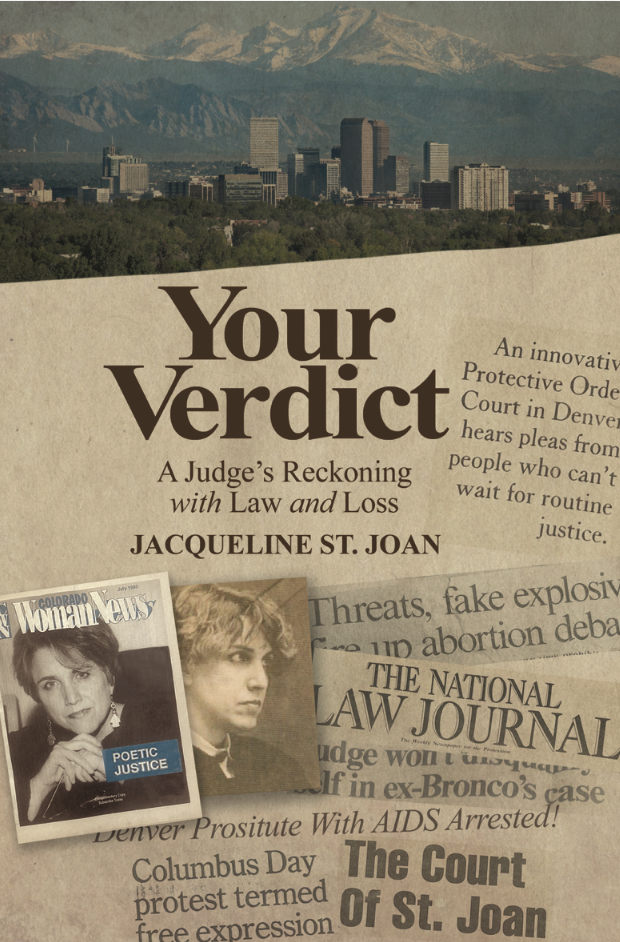
In Your Verdict: A Judge’s Reckoning with Law and Loss, Jacqueline St. Joan recounts a life shaped by judgment—rendered, received, and endured—across the courtroom and the most intimate terrain of family. The book will be published in May 2026 by Golden Antelope Press. The memoir opens with St. Joan on the bench in 1990s Denver, presiding over cases that place her at the center of bodily harm and public scrutiny…I spent years issuing verdicts—some that freed, some that confined, all that carried consequences I could not control once they left my hands. But the verdicts that marked me most were not rendered from the bench. They came quietly, from my own family, after I married across racial lines only a few days after the famous Loving vs. Virginia Supreme Court decision banned statutes prohibiting interracial marriage. I know how judgment is formed: by evidence, by bias, by fear, by love. I am not here to persuade you. I am here to tell you what I did, what it cost, and what it demanded of me. The law shaped my work. Love shaped my life. The verdict, now, is yours.


from Valley Voices, Spring 2026 

CROSSROADS AT GUNTOWN

Part 1 of 4

The Natchez Trace, Mississippi, 1858

It was late summer when sparrows look forward to the collapse of cornfields—those places where seeds become life with shallow roots, fields for sweating and stealing away, a corn quilt that covers the South with golden tassels and swaying stalks, that, in the end, like everything else, will dry up and become soil.

And just in time for harvest season, slave traders sent a caravan overland from Alexandria, Virginia through Tennessee and down the Natchez Trace, a trail through the northeastern Mississippi woodland, first created by migrating deer and elk, and later by humans—the Chickasaw and others. Men on horseback or riding in wagons would arrive at the slave market in Natchez, along with those people who were on foot—their human harvest.

I was one of those in the coffle, Adesa, a plain, short young woman with my head wrapped in a rough flax cloth to hide what I could of the straight hair I’d inherited from the ancestral white boys who raped my grandmother and later, my mama, too, when they were only girls—cowardly boys who waited for the smell of first blood and then took turns, unashamed.   Years earlier, my husband, George, had been sent down the Trace--what every enslaved Virginian feared most—hopeless separation from family and a lifetime of long, hot days of hard work, and short nights bone weary.  I prayed our twelve-year old daughter, Alice, and I might find George one day— perhaps somewhere in this Southland we were being forced through together, that, like everything else, we would endure together.  I prayed to God we would always stay together.

 “Water Boy,” the men liked to call me because, like the boys in the cotton fields, it was my job to bring a little water whenever someone on the line called out for it. The white slavers didn’t trust that a boy wouldn’t try to run when their backs were turned, but they trusted me with the water just because I was a girl and the one who washed and bandaged their everyday wounds, rubbed sage-smelling salve on their backs when their muscles ached, and mixed a strange tea whenever they had fever.   It wasn’t difficult to treat them with kindness--I just pretended I was soothing the wounds of The Lord.  The slavers didn’t believe I loved them exactly, in my nurturing motherly way, but my gentleness aroused a feeling of affection or something like that, and they thought I felt the same.  I let them believe it.

I remember that time John broke his arm.  Only a boy he was, but almost a man, still he couldn’t stop crying when I wrapped the bandage around the short boards I used to keep his arm straight, let it heal right.  He kept grabbing onto me like a baby would, laying his head against my shoulder and wailing.  “I can’t get this job done right,” I told him, “with you leaning into me that way.”   Finally, I just had to pat his head for a while, like my mama used to do for me.  "Breathe like this," I coaxed, showing him how to take a slow taste of air, until he settled down and I could finish with his arm.

The slavers had sent a scout ahead to alert Guntown when the coffle would get there so that the locals could bring their crops and meat to the caravan.  Even though we were a day late for the planned arrival in Natchez, because it was Sunday, the captain allowed an afternoon of rest near Guntown, the halfway point between the slave markets in Alexandria and the ones in Natchez. From a distance I could see the long sloping roof of the wooden steam mill at Guntown, the nearby railroad dock and wagons loaded with food.  When the hungry guards saw the piles of ripe tomatoes, buttery ears of corn, still-warm cornbread, dark molasses, fresh buttermilk, fatback and green beans, they tied up the horses and the dogs and laid down their guns and their whips. The overseer ordered the Black women to form a line for vittles, and the children were allowed to get their fill and run around.  The older girls, like Alice, minded the children, while the women hand-fed the hungry men, manacled in a double line, helpless to feed themselves. The slavers’ generosity with the food was motivated by the need to feed their stock before arrival at market.  They wanted boys looking strong and tough, but not too tough, or they might seem threatening, and girls strong and pretty, but not too pretty, or else a wife might veto her husband’s purchase.

As the people spread out to enjoy their Sunday meal, a flutter of sparrows swung from the lushness of trees to peck for a kernel of corn here, a drop of water there.  Then the birds flew back to watch from a branch where they seemed unseen, yet through time, they saw everything.  There was a proud-looking white woman with a basket of fresh biscuits on one arm and her husband on the other.  She told the head man that her mother, Elizabeth Ann Bryson, had sent them with a pocketful of money to buy a girl to take care of her and her house.  Her husband, Hampton, was there to be sure and get just the right girl.  While dipping into the water barrel, I overheard them explaining to the overseer exactly what they were looking for. 

“We are church people.  From South Carolina,” Hampton bragged to the captain. “Seven years ago we walked with Pastor Young all the way from Laurens—took an entire month. And, first thing-- to thank the Lord --we built ourselves a church about six miles from here.  So we’d like a good Christian girl if you’ve got one.”  My frantic eyes fell on my daughter at the very same moment that Mary Bryson Bates’ wandering eyes did, and I knew the woman was seeing what I saw: Alice—tall and lean, strong and fully grown, but still young and trainable; sweet-tempered, but not haughty; playful with the children, but not pregnant herself.   They were sizing up Alice as just right for their mother. 

“That one!” Mary Bryson Bates announced to her husband sofmewhat triumphantly, pointing where the children were playing. 

“Ah, yes, that’s Alice,” said the overseer, signaling to the guards to bring her over to them.

“We already have one Alice at home,” Mary Bryson Bates said, at first sounding disappointed with the name, then erasing that disappointment.  “But with her skin the way it is, we’ll just call her Black Alice.  Why, she’s the blackest thing I’ve ever seen!”

The birds began to chatter among themselves, but even without their comments, I understood what was happening.  I panicked and at the same time began to sidle away from where those devils were running their evil eyes up and down my Alice’s body.  Alice was being led away by two white boys, each one holding a wrist—my Alice, always with a song in perfect pitch ready to move from her heart into the air; my Alice, content with whatever came her way; my Alice, now with tears in her mouth, and her head turned looking over her shoulder, drinking in a long last look at me.  I refused to cry.  My heart was aching in Alice’s direction, but my body kept moving the opposite way, as if my mind said, oh no! but my legs said oh yes!  I hummed to myself to fill my mind with the all-encompassing thought, I will come back for you, Alice, I repeated my prayerful promise.  I will come back for you.

While all the attention was directed at the food, and the delivery of Alice into the hands of these people, I took my one chance—I had to run while I could. Easing myself to the front of the coffle, I parted two limbs of a pine tree, stepped between the branches and disappeared into the weave of thick woods.  When I found a clearing, I ran and ran like the devil was at my bare heels.  But it was God who was with me, delivering me to a cave above the patches of pines and wild flowers,  a  cave without bears or wolves or rattlers.  I made myself small in a back corner.  If the slave catchers were out searching, I never heard a dog or a shout.  I cried myself to sleep soundlessly that night without even a feather of joy about the fact that for the first time in my life, I was free.

At dawn I woke to a distant roll of thunder, to the chill air and the wet, hard ground of my rocky hideout. A bat flew in and disappeared, then another and another.  Cardinals and robins sang the opening chords of the day, while I was thinking the slavers might still be after me.  I crawled to the cave’s mouth and peeked out to see only the rising sun.  I climbed down the limestone leading east, stalking the sparrows, searching for a path in the protection of the pines. I remember I glimpsed a doe and her fawn grazing in a glen —their noses were almost touching-- and my heart lurched with longing for Alice, its beat bringing closer the memory of the way we always were together, mother and daughter, our kisses like the sweet little ones between those two deer.  I will come back for you, Alice, I vowed and I worried.  How would those Brysons who took her away from me treat Alice?  What would she think when she learned I ran away?  Maybe I should return to that area where I might be able to keep an eye on her from time to time—get her to run with me?   But I knew it was only a dream—we’d both be beaten if I returned, especially if we were found together. I could see the hind quarters of the dear and the fawn entering the forest and I followed them in.

By evening my pride at not being pursued pushed out the devastation starting to overwhelm me.  Had I escaped?  I hoped that maybe when they discovered I was gone, they charged those Brysons double both for Alice and for me, too.  So many possibilities—I had to believe that maybe they were nice white people and would be good to Alice.  Maybe this is God’s unexplainable plan.

That night I hid deep in a cornfield, where I grabbed the youngest, ears and twisted them until they squeaked and then snapped them off the stalk one by one.  I filled up on the thick, tough corn and then in the morning forced myself to eat more.  That night, exhausted as I was, any daytime pride I had felt about not being chased by those slavers had disappeared. Instead, my mind buzzed and buzzed with fears for Alice.  Where was she?  Who would care for her?  How would we ever find each other?  What if they sold her away?   I will come back for you, Alice.  At last, I slept and I dreamed of eagles circling below wispy pink clouds watching for soft rabbits to pierce and devour.  By the third night, I was awake more than asleep and I wished for exhaustion to overwhelm my mind.  In the morning I hunted wild mushrooms and I cracked open chestnuts that littered the ground.  That night I could do nothing but try to quiet my worried mind with prayer and cry myself to sleep—which was how I learned to fall asleep every night for many years.  At dawn on the fourth day, I heard an unapologetic rooster crow.   “Where there’s a rooster, there’s hens,” I thought.  “And where there’s hens, there’s eggs.”  I was craving an egg, even a raw one, to pause the tension of hunger after hunger repeating inside me.

The rooster strutted in front of a cabin, his golden middle feathers smooth and his shiny dark tail flying high. On the side of the cabin there were the hens and chicks, a small coop with a roost.  I ran as fast as I could through the yard, grabbed a warm egg from the roost and a newly washed cotton dress from the clothesline, then sprinted back into the woods, my legs carrying me with strength and speed. There, hidden inside the open trunk of a sycamore, I took a rock into the palm of my hand and tapped one end of the shell until I’d made a hole about the size of a shirt button.  I held the egg to my lips, lifted my head and sucked and sucked, drinking in the white, the yolk, licking the entire treat until my throat could not swallow fast enough.  Suddenly I heard a loud scratching sound.  I was scared and turned my head.  The rooster was stepping high through dry leaves, and glaring at me.  Now I knew not to mess with a moody rooster, so I folded the fresh dress carefully, stuffed it under my apron, and made my way into the dark forest in the direction of sunrise.

By the seventh day, I was seeing more signs of people —real roads and chimneys with smoke rising from them, and small, tidy house gardens.  One morning I grabbed some shoes from a cabin stoop and stepped into them proudly and I knew then that it was time to end my old life and start a new one.   I washed my entire body in a creek and drank my fill of cold water.  I put on the clean dress I’d taken and I untied my headscarf, letting my hair fall loose to my waist in waves created from being tied up all week. I buried that headscarf and my old clothes and I cleaned my fingernails with pine needles. 

By evening, when I walked down the road and into the town of Cave Spring, Georgia, I had become a woman whose family, I lied to anyone who asked, had been slaughtered by a band of resisting Choctaws in Mississippi; I was a woman who was a friendly practical nurse, a woman anybody would want to help start over.  I named myself Bryson after the one who now had my Alice, because I wanted always to remember that name, because one day I will come back for you, Alice. I became Adesa Bryson.  In Cave Spring, Georgia, I became a white woman.

Law, Literature & Voices of Protest & Reconciliation

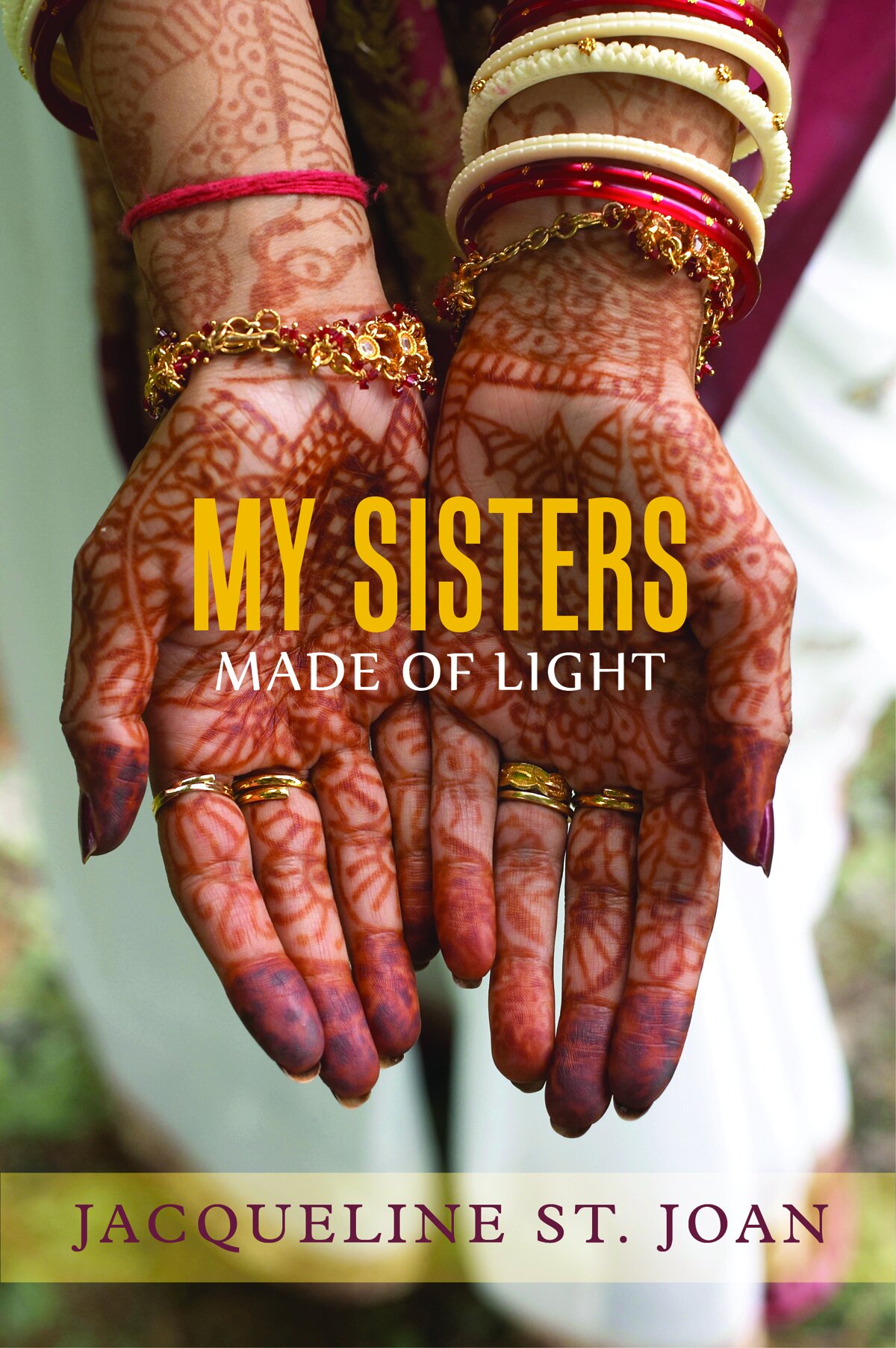
  • Her first novel, My Sisters Made of Light(Press 53) was a finalist for the 2010 Colorado Book Award in Literary Fiction, and was a book of the month selection for the American Association of University Women. Through sales and donations, she raised $25,000 for the creation of a shelter for women and children in Punjab, Pakistan.  The sequel novel, The Shawl of Midnight, also set inside the women’s movement in South Asia, was published by Golden Antelope Press in 2022.

    Her short history fiction story, “Crossroads at Guntown,” will be published in Spring 2026 issue of Valley Voices, a literary review of the HBCU, Mississippi Valley State University; Summer of Love,” memoir excerpt, Northern Colorado Writers Anthology, Spring 2023, and "Mississippi Goddam"Valley Voices, in its special issue “A Sense of Place,” Spring 2022. The online short story, If It’s True, It Must Also Be Beautiful, in The Missouri Review, was nominated for Best of the Net and flash fiction, "The Home Visit" The Ravens Perch June 2022. She won the Black Sheep award from the Colorado Genealogical Society for her family fiction story, Cough Drop Joe,”

  • Her book of poems, What Remains, was published by Turkey Buzzard Press ins 2016. Among her poetry awards: Denver Press Club, Colorado Council on the Arts fellowship; William Battrick Award in Poetry at University of Colorado; fellowship with Rocky Mountain Women’s Institute, and writer in residence at Wildacres, North Carolina.  Her poetry has been published in periodicals such as (most recently, New York Quarterly) Ms., The Denver Quarterly, SageGreen Journal, Montelibre and Colorado Women News. Until its closure in 2020, she was the News Poetry Editor for The Colorado Independent.

  • Her nonfiction ranges from memoir to op-eds to legal scholarship, book reviews, travel writing, social justice essays and rants.  She recently reviewed the poetry anthology, The Four Faces of Eve, www.compulsivereader.com, “Dismantling White Supremacy:  The Importance of History and the Role of Neighbors,”www.renameforall.com, 2020, Thinking About How to Think About Renaming Stapleton, " www.renameforall.com, 2018.Several pieces have won awards, for example, “Meeting the Dalai Lama in Tibet,” Silver, Women’s Solas Travel Writing Award and the 1996 Rocky Mountain MLA Award for Best Feminist Essay. She has published in the Harvard Women's Law Journal, Empire Magazine, and others.

  • She co-edited (with Annette Bennington McIlhiney) the anthology, Beyond Portia: Women, Law & Literature in the U.S. (Northeastern UP) and her writings have appeared in numerous anthologies, such as The Quotable Woman, Tumblewords: Writers Reading the West;Disturbing the Peace:Writings by Colorado Attorneys, Chokecherries Anthology, Kaleidoscope: Lenses on Reality, The Legal Studies Forum, and Fungi Anthology, and Thinking Women:Introduction to Women's Studies, Poems from the Back Forty, Mycoepithalamia: Mushroom Wedding Poems.

Browse her writings by theme:

Women & The Law

Violence against women, feminism.

History & The West

The American West, cities & families.

Racial Justice

Racism, injustice

Dharma & South Asia

Buddhism, liminal spaces, spirituals.

Culture & Nature

Canada geese, gardens, summer.

Family & Children

Mothers, bravery & loss.

Recent Books for Sale

About Jacqueline

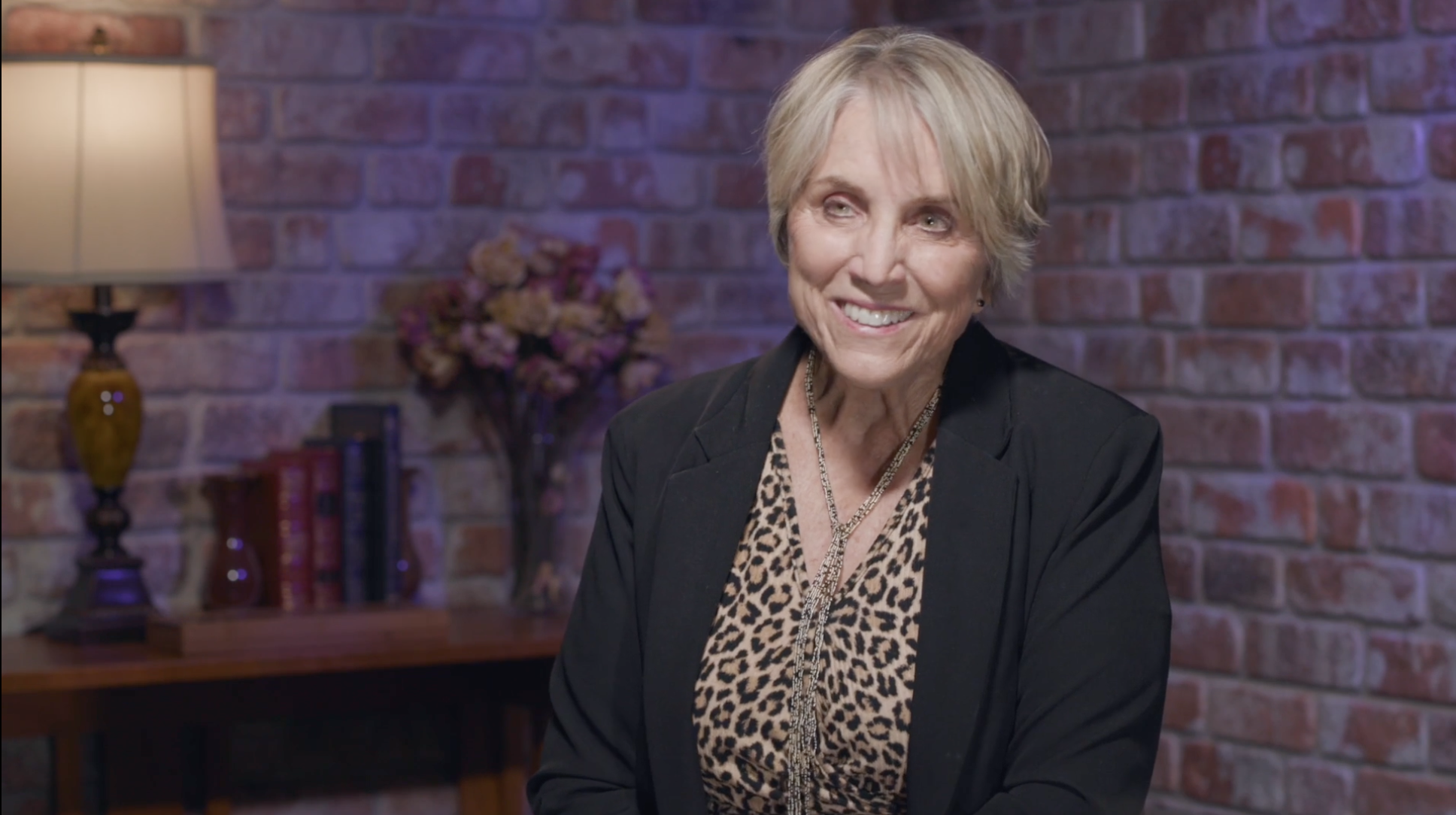
Jacqueline St. Joan is an award-winning poet, memoirist, essayist, writer of fiction and feminist legal scholarship. Her writing intersects the fields of law and literature with the voices of contemporary protest and reconciliation. She writes about history and family fictions; the abuse of women and inheritance of racism; the minds of children, teaching and learning; law and justice and literature; South Asia, gardens, birds. She has a law degree and a Master’s in creative writing. A lifelong feminist, she is a retired lawyer and Colorado county judge, a lifelong social justice activist with a voice. Learn more about Jacqueline.